Sustainability
It Could Cost the Earth: The £1.6tn Price of Cleaning Up Our Pollution
Darren Crowder · · 6 min read
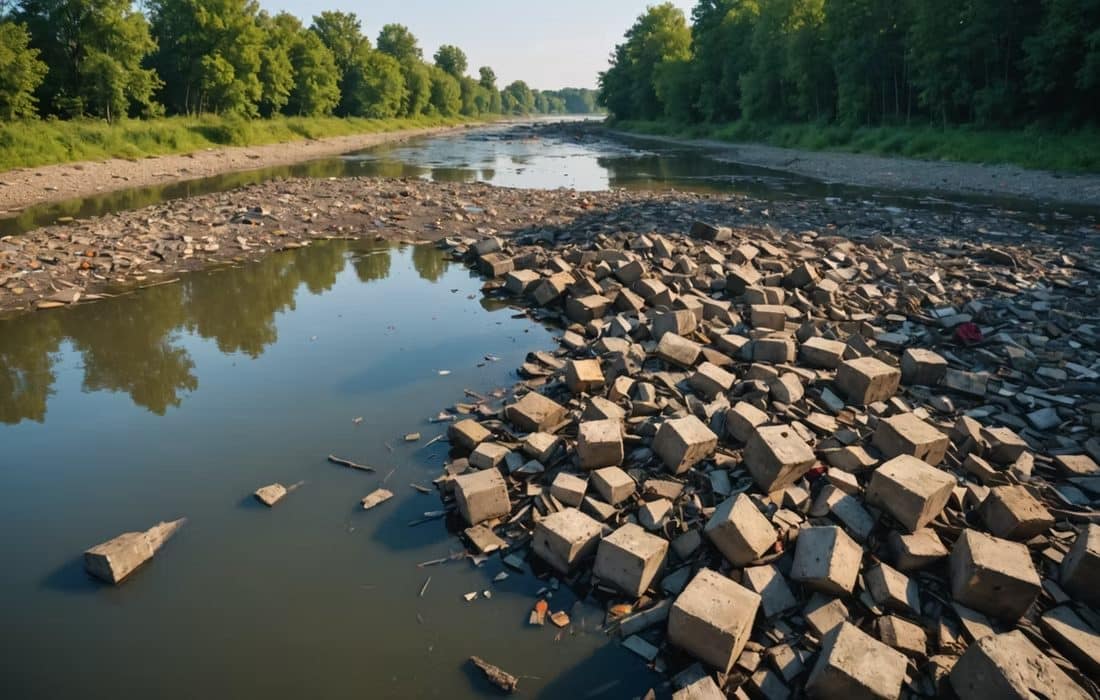
In a recent article by The Guardian, a shocking figure emerged regarding the financial toll of addressing pollution and environmental damage. The cost to restore our planet could surpass £1.6 trillion. This staggering number raises urgent questions about our responsibilities toward the environment and the actions we can take.
Understanding the impact of pollution — ranging from toxic chemicals like PFAS found in consumer products to alarming amounts of plastic waste — is more critical than ever, whether you are a millennial, a Gen Xer, or a baby boomer.
The scope of environmental degradation
Environmental pollution is not a new issue. Recent studies estimate that nearly 1.4 million tons of plastic end up in the ocean annually, threatening creatures from plankton and corals to whales. In beauty alone, approximately 120 billion units of packaging are used per year globally — around 114 billion of which is single-use, non-recyclable packaging.
Think about your daily routine: when you wake, shower, wash your hair, shave, apply makeup or fragrance — how many products do you use, what’s in them, what’s in the packaging, and how did it get to you? Harmful substances like PFAS, found in everything from non-stick cookware to foundations and waterproof mascaras, persist. These “forever chemicals” have been linked to immune system problems and cancer, with studies indicating that over 90% of people in the U.S. have PFAS in their blood.
The financial repercussions
The projected cost of over £1.6 trillion highlights the need for immediate action. Historically, cleanup costs for ecosystems — restoring landscapes, cleaning waterways, remediating contaminated sites — have been underestimated. If we continue without comprehensive action, these costs will surge even higher, impacting sectors like agriculture, fisheries, and tourism.
The role of individuals
While the scale of pollution can feel daunting, individuals hold significant power. Our purchasing habits influence market demand. By choosing products free from harmful ingredients and wasteful packaging, we send a strong message to manufacturers about what we value. Surveys suggest 66% of consumers are willing to pay more for sustainable brands — though in a cost-of-living squeeze, price-consciousness is real, and the answer isn’t simple. Community initiatives and education matter just as much as individual swaps.
The need for robust policy
Combating pollution requires systemic change alongside individual responsibility. Governments must prioritise policies that address existing damage and prevent future contamination — stricter regulation of substances like PFAS, and incentives for greener practices. Accountability from companies to consumers needs to be better, and greater transparency about products’ environmental effects empowers people. The key is clinically validated data, not fear, uncertainty and doubt.
The path toward change
The £1.6 trillion estimate is a call to action. The challenge feels enormous, but it underlines the urgent need for action from individuals, industries, and governments alike. By making informed choices, advocating for better policies, and supporting green practices, we can turn the tide — and it starts with you.