Eco-Friendly
Embracing Eco-Friendly Personal Care: A Path to Healthier Living
Darren Crowder · · 4 min read
When I first started exploring ways to improve my daily routine, I quickly realised that personal care products play a huge role in our overall wellbeing. But beyond just looking after ourselves, there’s a growing need to consider how our choices impact the planet. That’s why embracing eco-friendly personal care has become a priority for me. It’s about making smarter, safer choices that benefit both our bodies and the environment.
Switching to eco-friendly personal care isn’t just a trend. It’s a conscious decision to reduce waste, avoid harmful chemicals, and support sustainable practices. Here are practical tips and insights to help you make this transition smoothly and confidently.
Why choose eco-friendly personal care?
Choosing eco-friendly personal care products means opting for items that are kind to your skin and the environment. Many conventional products contain synthetic chemicals, microplastics, and non-biodegradable packaging that can harm ecosystems and even affect our health. By selecting eco-friendly alternatives, you:
- Reduce your exposure to harsh chemicals.
- Support brands that prioritise ethical sourcing and production.
- Minimise plastic waste and pollution.
- Encourage a circular economy where materials are reused and recycled.
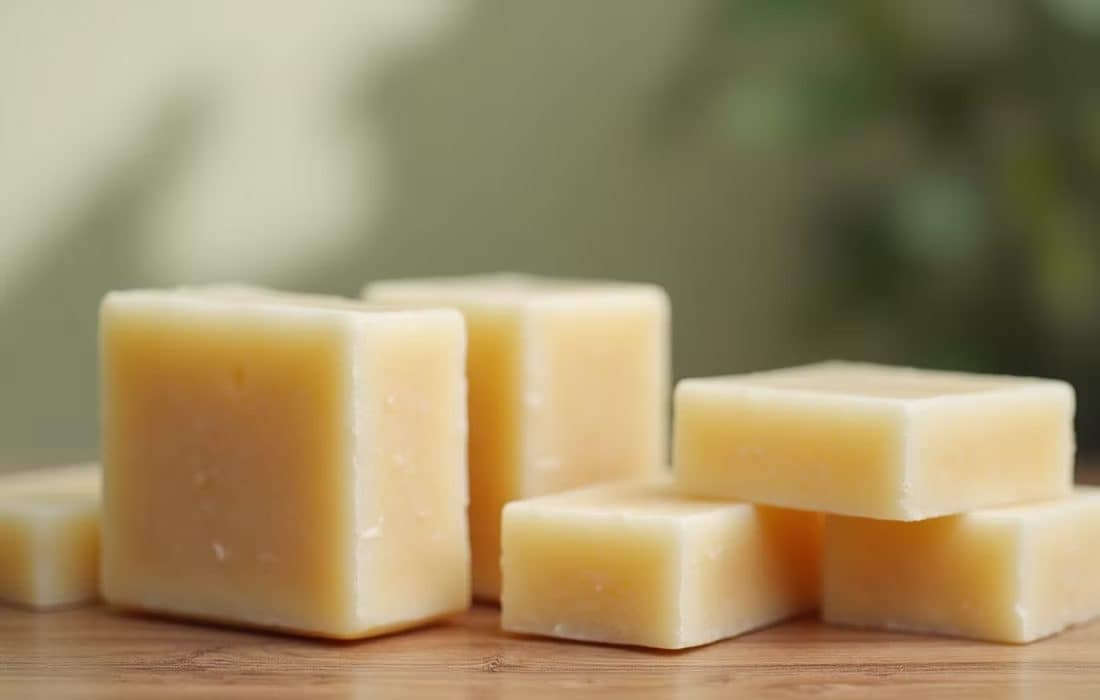
For example, swapping a plastic shampoo bottle for a solid shampoo bar can significantly cut down on plastic waste. These bars often come in compostable packaging and last longer than liquid shampoos. Similarly, choosing natural deodorants without aluminium or parabens can be gentler on your skin and the planet.
How to start your eco-friendly journey
Starting with eco-friendly personal care might feel overwhelming, but it’s easier than you think. Here’s a simple plan to get you going:
- Audit your current products. Take a look at what you already use. Identify items with excessive plastic packaging or ingredients you don’t recognise.
- Research ingredients. Learn about common harmful ingredients like parabens, sulphates, and synthetic fragrances. Look for products with natural, plant-based ingredients.
- Choose multi-use products. Simplify your routine with items that serve multiple purposes, such as a moisturiser with SPF or a cleanser that doubles as a makeup remover.
- Switch gradually. Replace one product at a time to avoid waste and give your skin time to adjust.
- Support transparent brands. Look for companies that openly share their ingredient lists, sourcing practices, and environmental commitments.
- Consider packaging. Opt for products in glass, aluminium, or biodegradable packaging instead of single-use plastics.
What are the four types of sustainability?
Understanding sustainability helps us make better choices in all areas of life, including personal care. The four main types are:
- Environmental sustainability. Protecting natural resources and reducing pollution — in personal care, using biodegradable ingredients and recyclable packaging.
- Economic sustainability. Ensuring products are affordable and that businesses maintain ethical practices without exploiting workers or resources.
- Social sustainability. Supporting fair labour practices, community wellbeing, and inclusivity in product development and marketing.
- Cultural sustainability. Respecting and preserving cultural traditions and knowledge, such as using indigenous plants or traditional skincare methods responsibly.
Practical tips for sustainable personal care
- DIY skincare. Make your own face masks or scrubs using kitchen staples like honey, oats, and yoghurt.
- Use refillable products. Many brands now offer refill stations or subscription services with minimal packaging.
- Choose waterless products. Solid lotions or powders reduce water consumption during production and use.
- Recycle properly. Check local guidelines; some brands offer take-back programmes for their containers.
- Avoid microbeads. These tiny plastic particles harm marine life — look for “microbead-free”.
- Opt for organic and fair trade. Organic ingredients are grown without harmful pesticides, and fair trade ensures farmers receive fair wages.
- Be mindful of quantity. A pea-sized amount of moisturiser is often enough.
- Switch to bamboo or metal tools. Replace plastic toothbrushes and razors with longer-lasting, biodegradable alternatives.
Embracing technology for smarter choices
One exciting development in personal care is the use of technology to guide better decisions. Platforms like Enbodie are pioneering AI-driven tools that analyse skin and eye health through your smartphone. This helps you understand your unique needs and avoid products with ingredients that might cause irritation or harm. By combining personalised health insights with ingredient analysis, you can confidently select products that are safe, effective, and eco-friendly.
Making it a lifestyle
Adopting eco-friendly personal care is not just about products; it’s a mindset — valuing your health and the environment equally. A few ways to embed it into daily life:
- Educate yourself continuously about new ingredients, brands, and sustainability practices.
- Share your journey. Talk to friends and family — you might inspire others to join you.
- Be patient and flexible. Sustainable living is a journey, not a race.
- Celebrate small wins. Every plastic bottle avoided or natural product chosen is a step forward.
- Support local and small businesses — they often have more sustainable practices and unique products.
By making these small but meaningful changes, you’ll contribute to a healthier planet and a happier you. Remember, every choice counts — and together we can create a more sustainable future for ourselves and generations to come.