Health Intelligence
Uncovering Bias: Exploring the Ethnic Disparities in Skin Diagnosis
The Wellness Nerd · · 3 min read
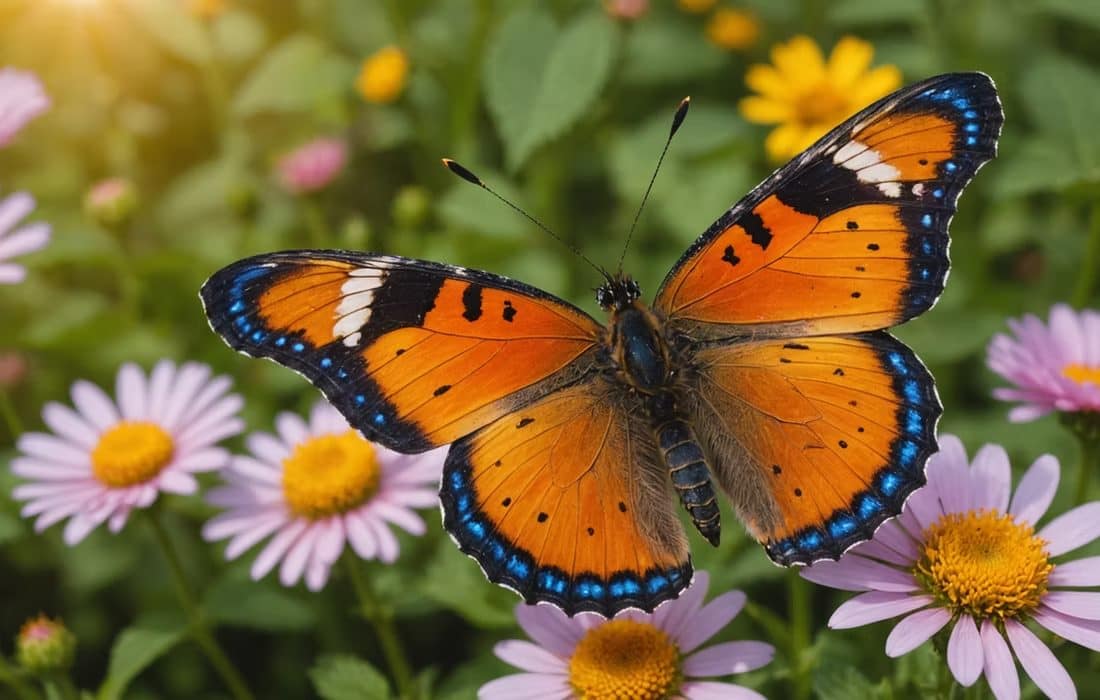
Ethnic health disparities are a significant concern, and understanding them often begins by observing our environment and the people we encounter. Recently, I was exploring the scenic landscapes of Sintra, Portugal. The atmosphere was lively, with butterflies displaying various colours and patterns. Each butterfly thrived in its environment, much like humans who flourish based on their backgrounds and experiences. Sadly, many individuals today do not receive the healthcare they deserve, especially in diagnosing skin conditions.
As the global population increases, so do the rates of illnesses. Alarmingly, research indicates that ethnic minorities experience higher rates of misdiagnosis in skin conditions, largely due to systemic biases ingrained in healthcare systems.
Diagnosis + disparity = harm
Recent studies have revealed a concerning gap in skin cancer diagnoses for ethnic minorities in the UK and globally. On average, individuals with darker skin tones experience years of delay in receiving an accurate diagnosis compared to those with lighter skin. This disparity results from several systemic challenges:
- Lack of diverse representation in medical training materials
- Limited culturally appropriate screening and assessments
- Insufficient awareness of how skin conditions manifest in different skin tones
- Unconscious bias within the medical community
- Systemic and emotional barriers to accessing health services proactively
Consequences of delayed diagnosis
- Lower survival rates for skin cancer among ethnic minorities
- More advanced stages of disease due to delayed treatment
- A huge psychological toll of misdiagnosis and delayed care
- Negative pressure on relationships, family, and community networks
- Increased burden on NHS resources due to later-stage treatments
The addition of more chemicals is not beneficial
Compounding the health crisis and bias in our healthcare system, chemicals we encounter daily, often unknowingly, frequently contribute to harm. A few noteworthy mentions:
- Parabens: these preservatives can disrupt hormone function and have been linked to breast cancer.
- Phthalates: common in fragrances and plastics, they may interfere with reproductive health and child development.
- Formaldehyde: a known carcinogen, sometimes found in hair-straightening products and nail polishes.
- Triclosan: an antibacterial agent that can contribute to antibiotic resistance and harm the endocrine system.
We are only beginning to understand what these chemicals do to our bodies. By being mindful of these ingredients and choosing safer alternatives, we can protect our health and help create a more sustainable future — much like the delicate balance needed for the diverse butterfly species in Sintra to thrive.
Drive meaningful change
We need a fresh, relevant, modern approach to tackle these challenges. At Enbodie, we believe in the power of conscious decisions to dramatically improve outcomes for people, society, and the environment. Through innovative features — like digital twin technology and AI journaling — you can visualise the outcomes of your decisions over time and see how they improve your well-being.
Just as each butterfly in Sintra’s gardens plays a unique role in its ecosystem, every action we take in our care can create a ripple effect.
We are not just dreaming of a better tomorrow but actively creating it, one decision at a time — reshaping our world, one butterfly effect at a time.