Health Intelligence
Revolutionising Skincare with Personalised Analysis
Darren Crowder · · 3 min read
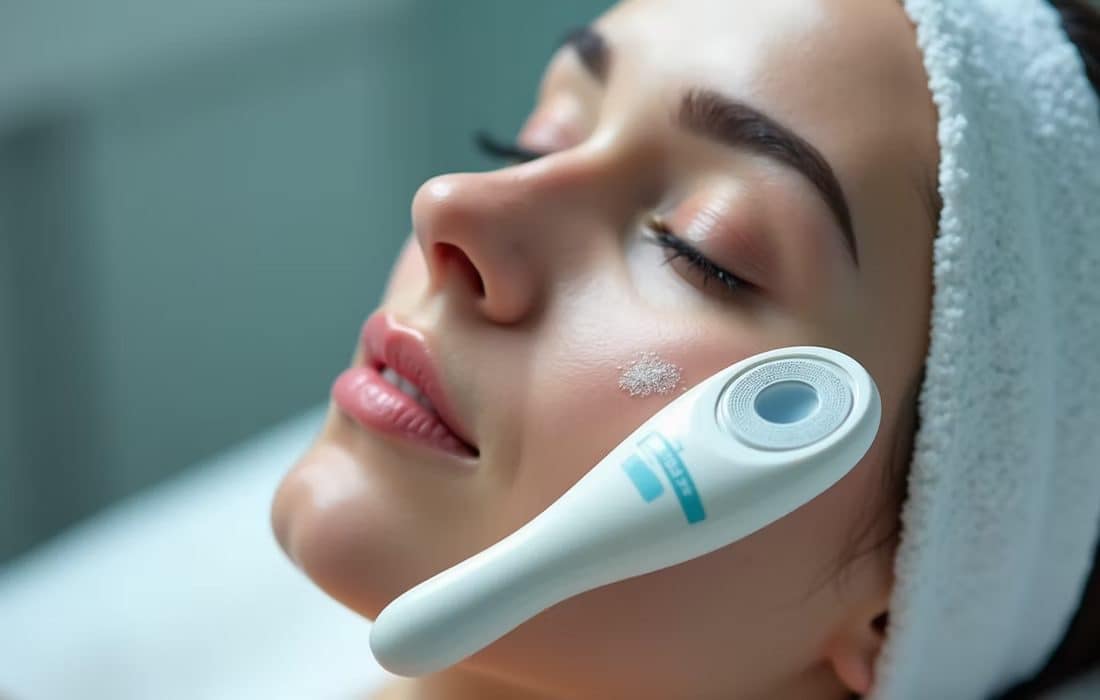
In recent years, skincare has evolved from generic routines to highly tailored regimens designed to meet individual needs. This shift is largely driven by advances in technology and data analysis, enabling consumers to receive customised skincare insights that address their unique skin types, concerns, and goals. The era of one-size-fits-all skincare is fading, replaced by solutions that consider the complexity of each person’s skin.
The rise of customised skincare insights
Instead of guessing which products might work, individuals can now access detailed information about their skin’s condition — hydration levels, pigmentation, elasticity, and sensitivity. A person with dry, sensitive skin receives different recommendations than someone with oily, acne-prone skin. This precision helps avoid irritation and ineffective products, saving time and money.
- Improved product effectiveness by targeting specific skin needs
- Reduced risk of adverse reactions through tailored ingredient selection
- Enhanced skin health with ongoing monitoring and adjustments
- Greater confidence in skincare choices
How technology enables personalised skin care
Devices equipped with sensors and cameras capture high-resolution images of the skin, then analyse them with algorithms that detect fine details invisible to the naked eye — pore size, wrinkle depth, redness, and moisture content. Mobile apps let users track changes over time, and some platforms integrate lifestyle factors such as diet, sleep, and environment to provide holistic recommendations that evolve with the user’s changing needs.
Is a skin analysis worth the cost?
For those struggling with persistent issues like acne, hyperpigmentation, or premature ageing, a detailed analysis can provide clarity and direction.
- Clearer answers about skin conditions that may be missed in casual observation
- Personalised treatment plans that increase the likelihood of success
- Earlier awareness of potential problems, so you can raise them with a clinician
- Access to expert advice and ongoing support
While the upfront cost may seem high, avoiding trial-and-error with products saves money and reduces frustration over the long term.
Practical tips for maximising your insights
- Be consistent with data collection — update your analysis regularly to track progress.
- Follow expert advice on products and lifestyle.
- Avoid overloading your skin — introduce new products gradually.
- Maintain a healthy lifestyle — hydration, nutrition, sleep, and sun protection all matter.
- Consult professionals when you notice unusual or persistent changes.
The future of skincare is personal
As AI and machine learning advance, the accuracy and depth of skin analysis will only improve, enabling more precise recommendations and innovative treatments. The integration of genetic and environmental data promises routines that adapt in real time to weather, stress, and hormonal fluctuations — giving people unprecedented control over their skin health.